Explore the chapters
This story talks about suicide, including my mom's death and my own attempts. If you are struggling, please reach out first. Call or text 988, any hour.
Get help nowThe beginning I didn't choose
My mom, Joyce, died by firearm suicide on September 8, 1979. I was 22 months old.
I don't know what my mother's voice sounds like. I don't know what it feels like to have her tell me she loves me. I was too young to keep any of it. No voice, no touch, nothing of my own to remember her by.
She missed everything. My high school graduation and the track scholarship that put me through college. Every meet, every game. Learning to tie my shoes, ride a bike, brush my teeth. Playing tooth fairy when my teeth fell out. My first wedding. The birth of all three of my kids. She missed it because she had easy access to a gun instead of easy access to mental health care.
She missed all my track meets, all my football games, all my basketball games. All my broken bones, all my visits to the doctor and the allergist. She missed everything good and bad about me.
She was carrying untreated postpartum depression. She struggled with alcoholism and with things at home. Add the weight of being a young parent, and a handgun her own father had given her for self-defense, and you have a recipe for tragedy. She was at her lowest, and depression was lying to her. It told her my world would be better without her in it.
In the 1970s, mental health care was not what it is now, and even now it is not good enough. Back then they just did not take care of people the same way. My grandfather had taken her to the range and taught her how to shoot. The statistics will tell you a gun in the home is more likely to be used on yourself or someone you love than on an intruder. That is what happened. She was alone in her car on the side of the road, with nothing but depression lying to her.
When I was about 10, my family told me she died of an illness, and technically that is accurate. Depression is an illness. Alcoholism is an illness, especially when it goes untreated. There is only so much a young father can do. My dad, Eric, is not a doctor.
I would much rather think of it this way: they were just trying to protect me. There is no dummies guide on how to tell a child about their mom. If I had learned before I was 18, it likely would have caused me even greater damage.
My dad remarried, to the woman I actually call my mom, because she raised me. She earned that title. Joyce may have given me life, but Paula taught me how to live. She was a safe place. Always a safe place. I have her mannerisms and her wit. I am a mini her. I did not see that for a long time. I was so angry and bitter that I took it out on the people I cared about.
I did not learn how she died until I was 18. In my dad's office, I found a box with over 100 copies of her death certificate. It read, "self-inflicted gunshot wound to the head." It was one of the worst days of my life.
It was traumatic and brutal, and it took years before I could reconcile with it and figure out what to do with it.
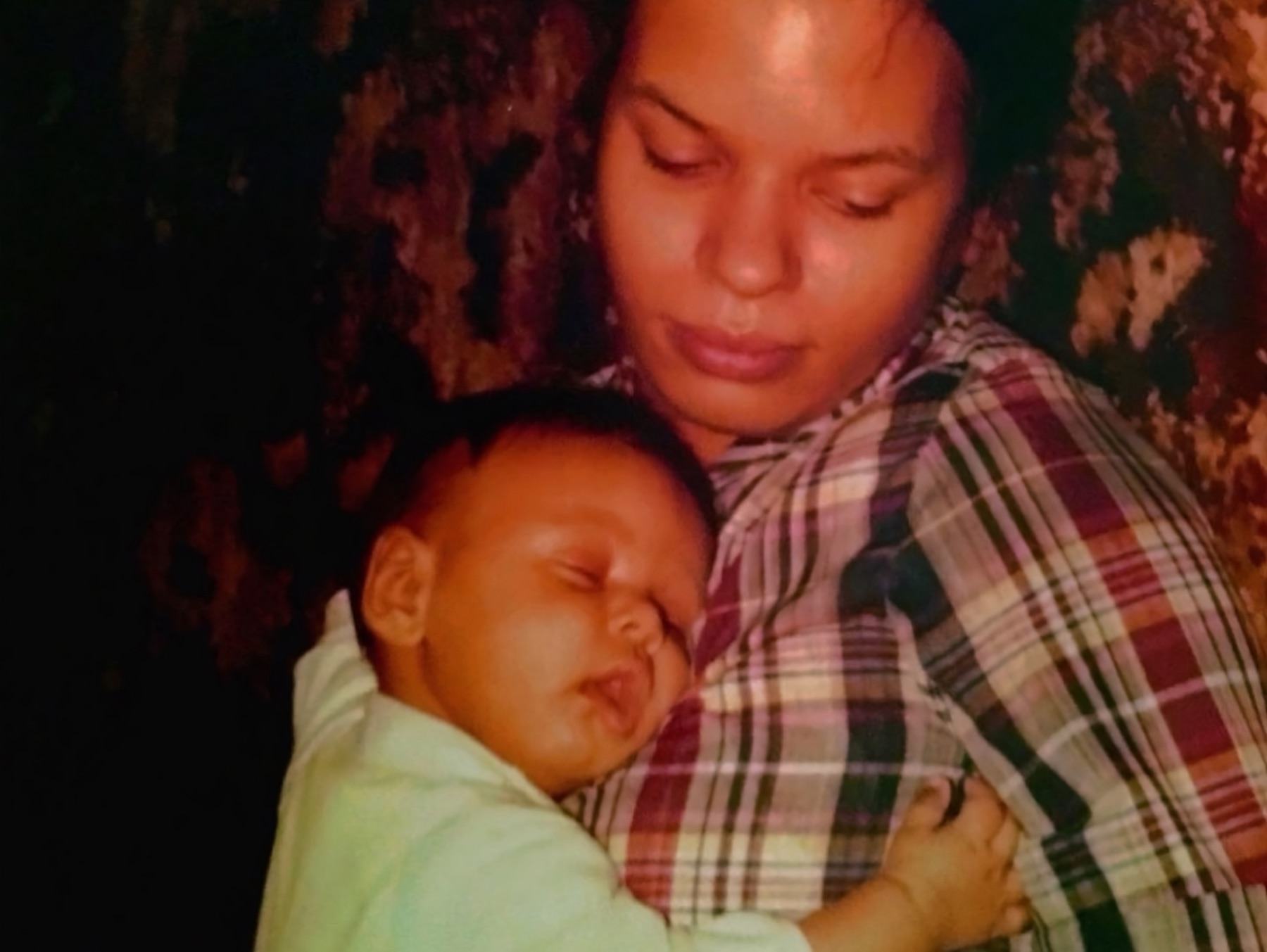
She missed it because she had easy access to a gun instead of easy access to mental health care.
Born June 25. Died September 8, 1979, at 27.
She was a special needs teacher. Her students loved her. Her students knew her better than I did.
I don't get to meet her. So I'm going to make sure I tell everybody I can about her.
Things I have said about my mom, and where I said them.
- 2015
- Nov 7, 2016
Doesn't tell me what her favorite color is. Doesn't tell me that she loved me.
On her death certificate, to Wisconsin Public Radio.
WPR - Oct 12, 2017I wrote about her for TIME: "What I Learned From My Mother's Suicide."
She had tried to kill herself twice before; the last time, she got a gun.
TIME - 2018
If you are struggling, reach the help. Call or text 988, any hour.

When I was able to run, I felt like this is what God put me here to do. There was no depression, there was no anger, there was no mother. Nothing. It was just me. And it was perfect.
In high school I was an all-state athlete and a two-time state champion, on my own and with my team. As a junior I was at the state track meet in a race I was supposed to win. On paper, there was no one better than me on that track. I got second. I was devastated, and when I got down off the stand with tears in my eyes, my dad came over and hugged me. I don't think I have ever given him credit for that.
He came to all my stuff. He was my biggest supporter, and he was there when I would fail. He did all the stuff my mom was not able to do: my doctor's appointments, all my surgeries, all my track events. He didn't miss anything.
I finished my senior year second in both the 100 and the 200, and I signed a track scholarship with UWM. My coach there thought my frame made me a distance runner, not a sprinter, and he kept pressing cross-country on me. I tore the plantar fascia in my right foot and had to redshirt. In February 1997, at the indoor conference championships, someone got hurt, and they asked if I wanted to run the 200. I took second. The 200 was my race.
From the worst day to the work
It took years before I could do something with it.
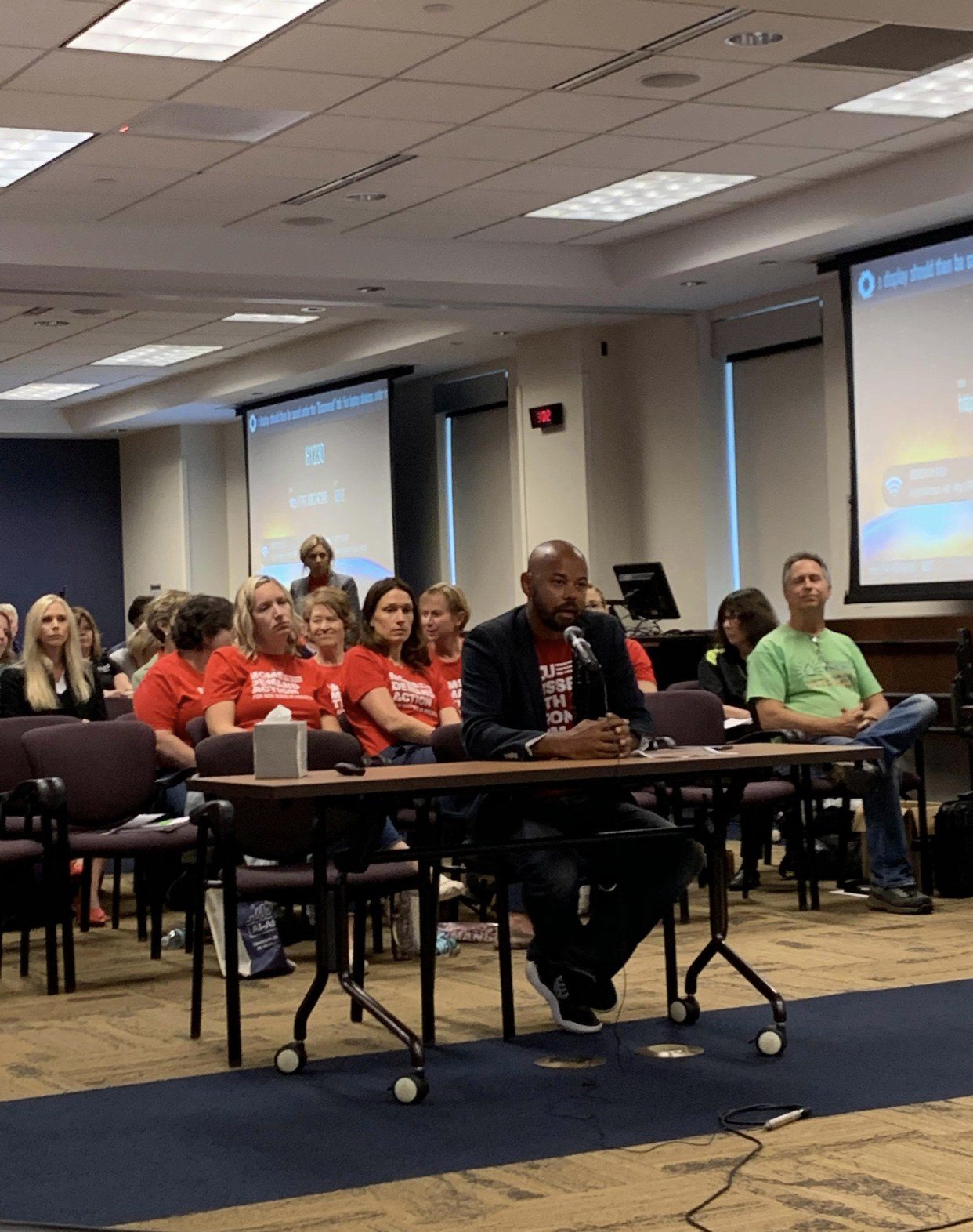
Around 2012 I got involved. One Million Moms for Gun Control, which became Moms Demand Action. Mayors Against Illegal Guns, which became Everytown for Gun Safety. I became a local spokesperson. I sat with other survivors. I testified in front of committees at the local and state level. I spoke at hundreds of rallies, in living rooms, anywhere people would listen.
Let me be clear about what I believe, because people assume. I do not believe in gun bans. An outright ban is not a real thing and it is never going to happen, so I would rather spend my energy on what is possible. Common sense. Practical. Things that can become law and save the most lives across every kind of gun violence.
Not just suicides, or the street violence you see on TV. Unintentional child shootings, school shootings, mass shootings, all of it. A lot of guns are sold privately, and in Wisconsin a private sale does not require a background check.
Universal background checks on every sale, including private ones. A red flag law that lets a family member temporarily remove guns from someone at their lowest, like my mom was. Here is what should stop you cold: in Wisconsin you can buy a gun the same day you apply. It can take months to get a first mental health appointment. The help is the hard part to reach, and the gun is the easy part. That is backwards.
A red flag law gives someone at their lowest space and time to get the help they need. And that first mental health appointment is usually just an intake. You are not going to solve much in it. There is the lifeline and the crisis text line, and I have called the lifeline. But not everybody knows those exist, or that they should use them. Men especially.
The help is the hard part to reach, and the gun is the easy part. That is backwards.
Hearings, essays, and the people who taught me how to do this.
- First meetingAt my first Moms Demand Action survivor meeting, I said I did not belong there, because someone shot his son and my mom shot herself. Richard Martinez grabbed my arm:
Your pain is your own. There is not gun violence survivor hierarchy here.
UWM gun violence oral history - May 31, 2017Appeared against Senate Bill 169, a concealed carry bill, at the Wisconsin Senate Judiciary and Public Safety Committee hearing.
Wisconsin Legislature record - 2017Wisconsin Survivor Fellow with the Everytown Survivor Network, and a volunteer with Wisconsin Moms Demand Action.
TIME byline - Jun 16, 2018
From advocate to candidate
So I decided to change the people who write the law, not just the law.
Being an advocate means standing in front of elected officials and making yourself vulnerable in front of people your tax dollars pay for. A lot of them do not listen. So in 2016 I ran for Congress in Wisconsin's 5th district, on gun violence prevention, women's reproductive rights, and affordability, especially student loan reform.
I lost. But I learned how politics actually works, how the sausage gets made. It is ugly and transactional, and it is also a necessary evil. After the campaign I was elected to the DNC and served about six or seven years, on the executive board of the Wisconsin Democratic Party. I also served as an elector for Joe Biden. Afterward I got death threats, it became too much, and I stepped back for my own mental health.
Politics is ugly. But you need a political response to a social tragedy, and there is no escaping that.
It cost me, too. When I ran, I tweeted a lot, something like 420,000 tweets, and I read the comments, which was dumb. I would go back and forth with those people, and it had an impact on my psyche. Over time, all that negativity, all those death threats, really polluted my mind.
In January 2017, shortly after I lost, I went to a town hall held by my old opponent, Jim Sensenbrenner. There were probably 250 people in that room, and I was in the very last row, at least 100 feet away. He slammed his gavel down and said, "Have gavel, will travel." But he is not a judge, and he was not our boss. We were his. So I yelled out, "We don't pay you $174,000 to swing a gavel." Within a few seconds, the police were throwing me back in my chair. It is on camera. The news was there. Afterward, my stepmom told me, "Don't you ever forget, you're a Black man."
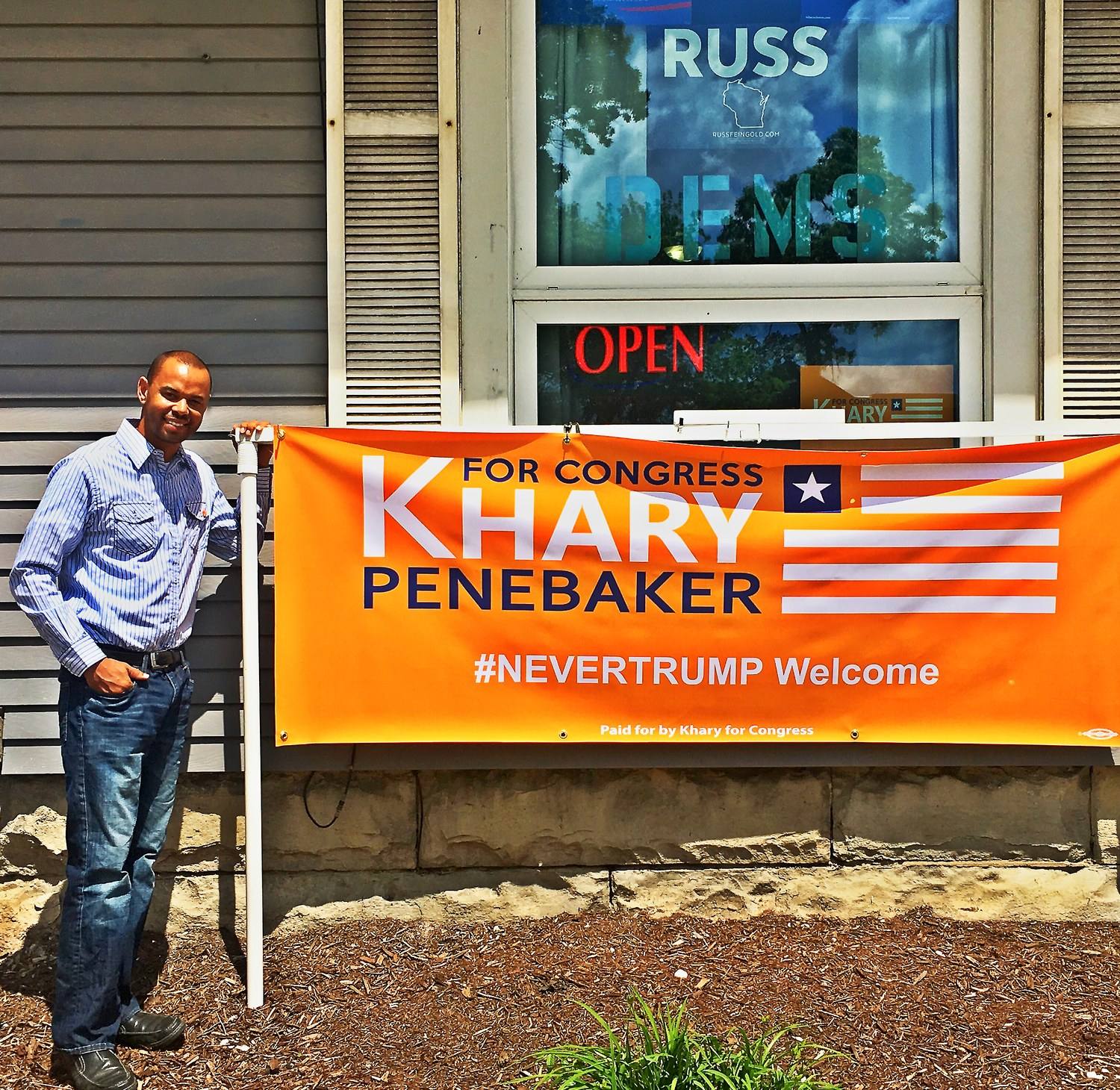
The loss, the service, and the lawsuit that came after.
- Nov 8, 2016Lost to Jim Sensenbrenner, 260,706 votes to 114,477. I got 29.3 percent.
Wikipedia, citing the state canvass - Jun 2017Elected to the DNC for Wisconsin in a special election. Served until June 2023.
Wikipedia - Dec 14, 2020Cast Wisconsin's electoral votes for Biden and Harris.
It's a testament that our institutions held strong.
Wisconsin Examiner - May 17, 2022Sued the ten Republican fake electors and two lawyers who advised them, in Dane County. The case is Penebaker v. Hitt.
Law Forward - Dec 6, 2023The fake electors settled. They acknowledged Biden won, and agreed never to serve as electors in an election featuring Donald Trump.
Law Forward
The part I am not supposed to say out loud
I have called the suicide lifeline several times in my life. I am glad it was there.
It has been quite a while since I have had to call. But I have.
I have also attempted suicide three times. Every one of them traces back to losing my mom. The last one was in 2002.
I am still here despite all of it. After three suicide attempts and being plagued with depression, I am still here. That is a win. I will take it.
This year I have been doing EMDR therapy. I just wish I would have done it sooner. It would have saved me years of mental anguish, and of the way I disengaged from people.
I have been in therapy for years, and thank God for it. I was recently diagnosed with a few things, including ADHD and PTSD, all the acronyms. It is something I live with and keep sorting out. I am not unique in that. I am not the only one, and I know it.
People who ask for help should be commended. It is not easy to admit you need it, and men are especially bad at it. Some people will tell you it makes you less of a man. It is the opposite. It takes courage, and you do not only do it for yourself. You do it for your family, for everyone who counts on you. After what depression did to my mother, I am not going to pretend I am above any of this. I am proof that you ask for the help and you keep going.
"The worst moment of my life was in 2001, when I sat alone on my futon with a face consumed with tears and a decision to make."
"I like to believe it was my mom who reminded me in that moment of my daughter, then 3 years old, and how much I loved being her dad. When she entered my mind, I knew I couldn't do to her what my mom had done to me."
If you are thinking about suicide, call or text 988, the Suicide and Crisis Lifeline. It is free, confidential, and open all day, every day. More places to turn
Becoming a builder
On January 1, 2002, I started my own company out of my garage with nothing.
I got into roofing in 1996, back in high school. I worked for a company, became part owner, and helped grow it, then parted ways on good terms when my ambition pulled me toward the commercial side. Then I built my own from nothing into one of the top five roofing companies in Wisconsin, union sheet metal and union roofing both.
Then the recession hit. It reached commercial roofing in 2009 and 2010, and customers paid far slower than they had agreed to in writing. I burned through my cash reserves and my line of credit, and I could not keep up. It ended in an involuntary Chapter 7 liquidation in 2011.
The unions decided to force it. The company clearly owed the money, and that was never the dispute. I was owed a significant amount too, and I was doing everything I could to collect it. We got to a point where they were not willing to let me keep going.
I did not run from the debt and I did not hide from it. I damn near lost everything, including the value of my own name. Some of it was bad luck. Some of it was on me. I learned more in that failure than I could have any other way.
I cannot cloak it with "I was young." If you want to play with the big boys, you have to behave like it. I made mistakes, and some of it was plain ignorance. I wish it had gone differently. I learned an immense amount the hard way.
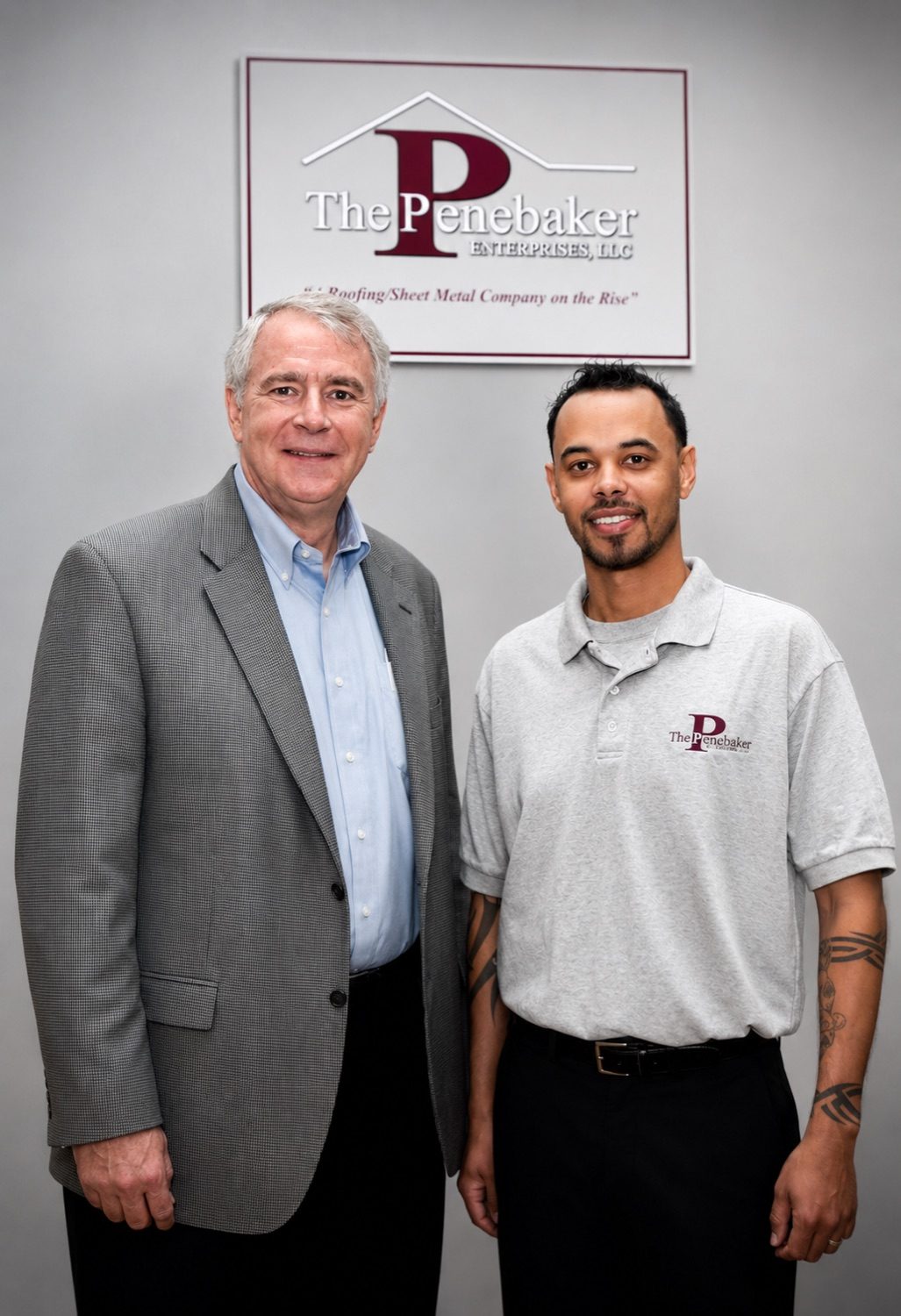
- 1996First roofing job, still in high school.
- 2002January 1. A company out of my garage.
- 2009The recession reaches commercial roofing.
- 2011Involuntary Chapter 7. I did not hide from it.
School, and what the company earned along the way.
- 1996Graduated from Marquette University High School.
Wikipedia - 2001Marketing degree from the University of Wisconsin-Milwaukee, where I ran track and field.
Wikipedia - 2004Supplier of the Year, Wisconsin Supplier Development Council.
Wikipedia - 2010Madison FAAIR Award, and Minority Business Contractor of the Year from The Daily Reporter.
Wikipedia
The climb back
I fell in love with sheet metal, got fired, and found my way back to building.
In 2011 I went to work for Metal-Era, a company I had already been buying from, and learned the technical side of this industry: how edge metals are tested, how building codes are made. I even worked with the Canadian government on codes that lined up with ours. I also got fired. After ten years of running my own company I was not very manageable yet. I can own that now.
Then a friend and former employee reached out about All American Roofing. They made me an offer, and so did a supplier, Allied Building Supply. I took the supplier job first, because I was not confident I wanted to get back into contracting yet. About six months in, it turned out All American Roofing was Allied's biggest account, and they asked me why I would sell to them when I could sell with them. I could not refuse. In 2014 I became president.
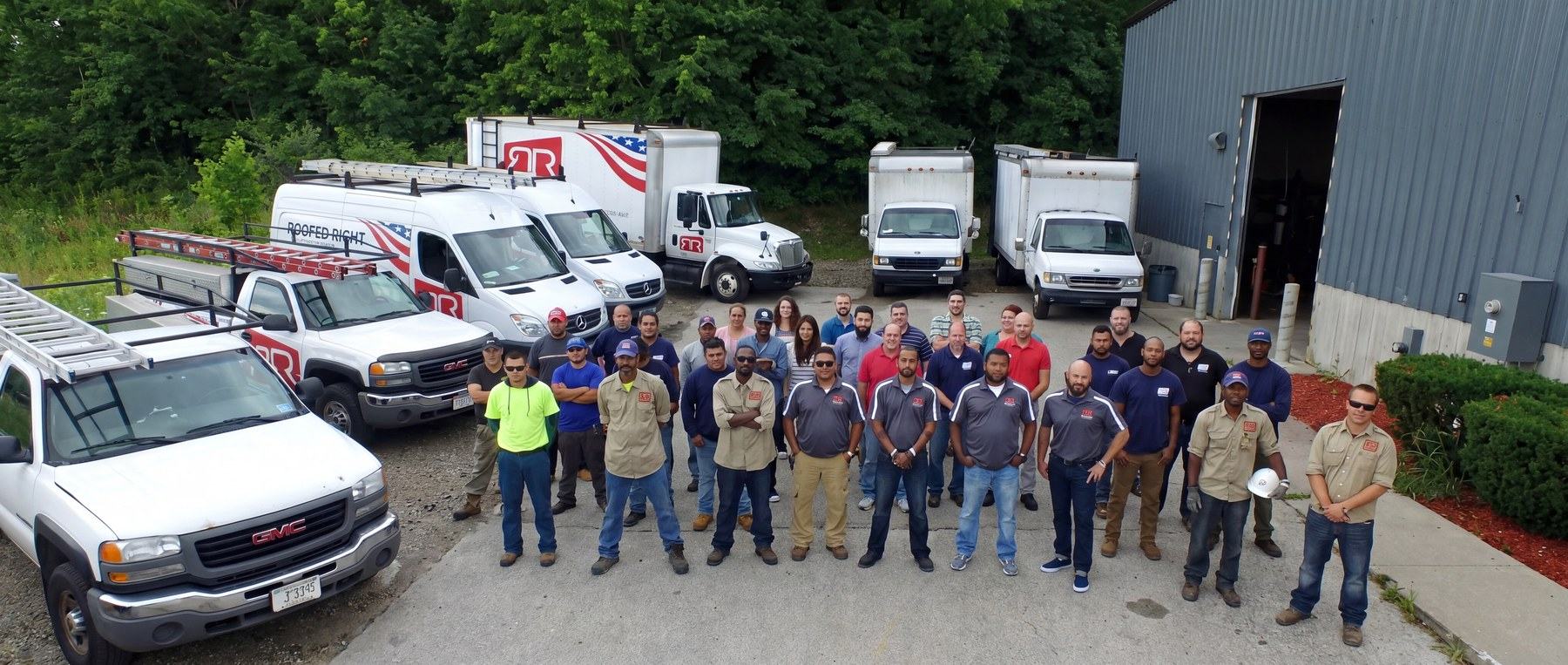
Shortly after, another company that held the All American Roofing trademark sent a cease and desist. I picked a new name, Roofed Right America, and trademarked it along with the logo. I grew it from five million dollars to thirty-five million, and then it was sold to private equity.
After the sale, we stopped seeing eye to eye. I value my mental health more than a paycheck, so I resigned at the end of October 2025. It was hard. I lost a dear friend over that disagreement, someone I still miss to this day. But it was time to go.
Seven times the size, and 180 people.
- Sep 15, 2017Roofed Right America won a BizTimes Milwaukee Master Mettle award, with me as president.
BizTimes Milwaukee
MetalMaster
I love my job. I have not been able to say that in a very long time.
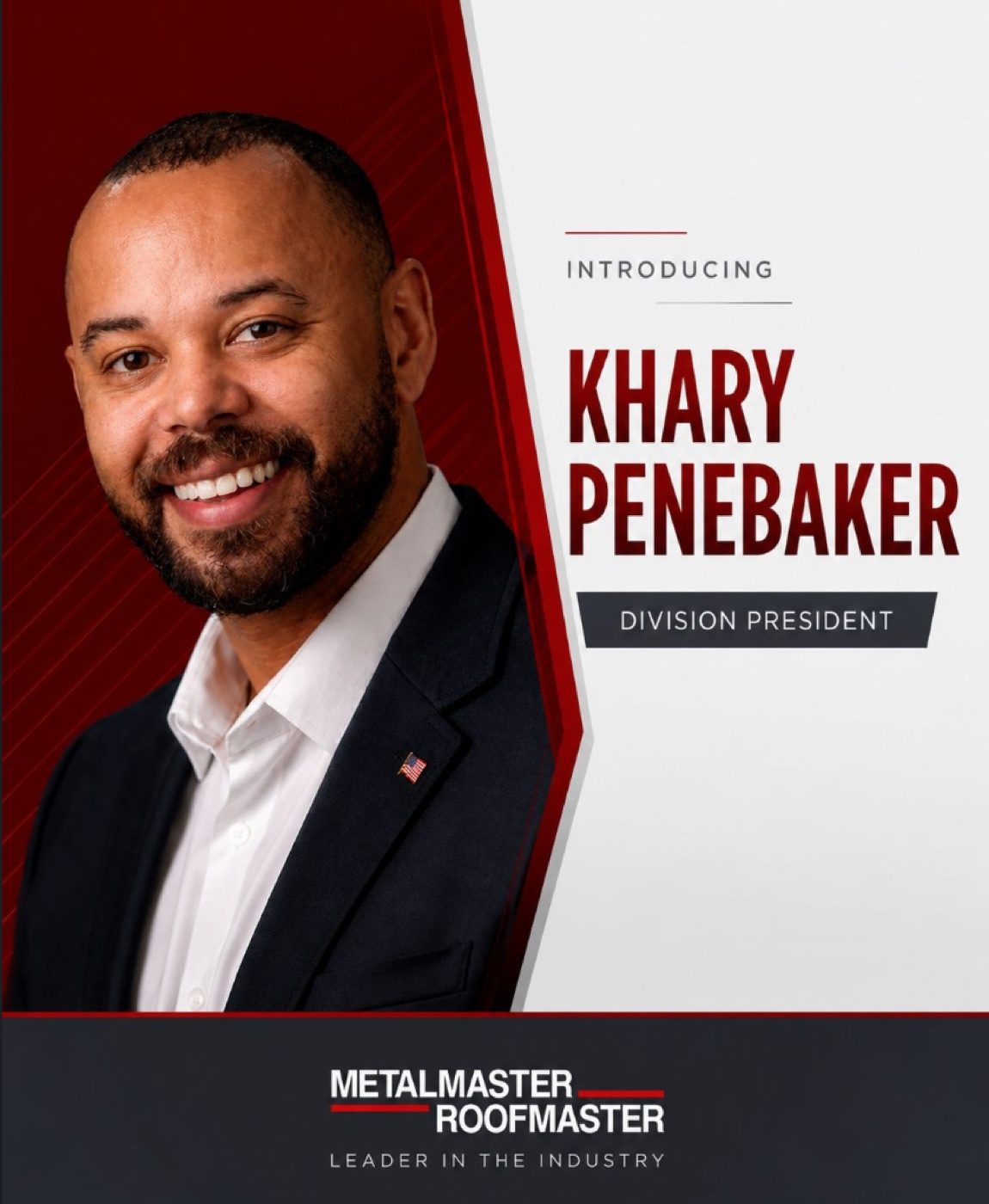
After twelve years at Roofed Right America, I was sure I was done with roofing. It had taken so much out of me. I went to Great Day Improvements and sold three-season rooms for a few months. Then a recruiter called about a company in Chicago, and I said sure, I would talk.
I talked to Tom, then Scott, Nate, Harry, Gary, and Tim. MetalMaster is 49 years old and employee owned, and Scott's company, Wolkow Braker, manages it. It has a lot of history and more capacity than it has ever used. It is like a caged animal that just needs to be let out, and that is my job as president.
When I had my own company, I started with nothing. Here I don't have to reinvent the wheel. I have already succeeded and failed at most of this, so I know which mistakes to skip and which things are worth doing again.
My only regret is that I didn't find these people sooner. Then again, I don't think I was mentally ready before now. Right place, right time.
We spend more time at work than we do with our own families, so I try to make this place fun. I am a huge fan of Michael Scott. I love the people I work with. I love this building. I love the chance to turn this company into what I believe it can be.
What grounds me
My kids are the best of me.
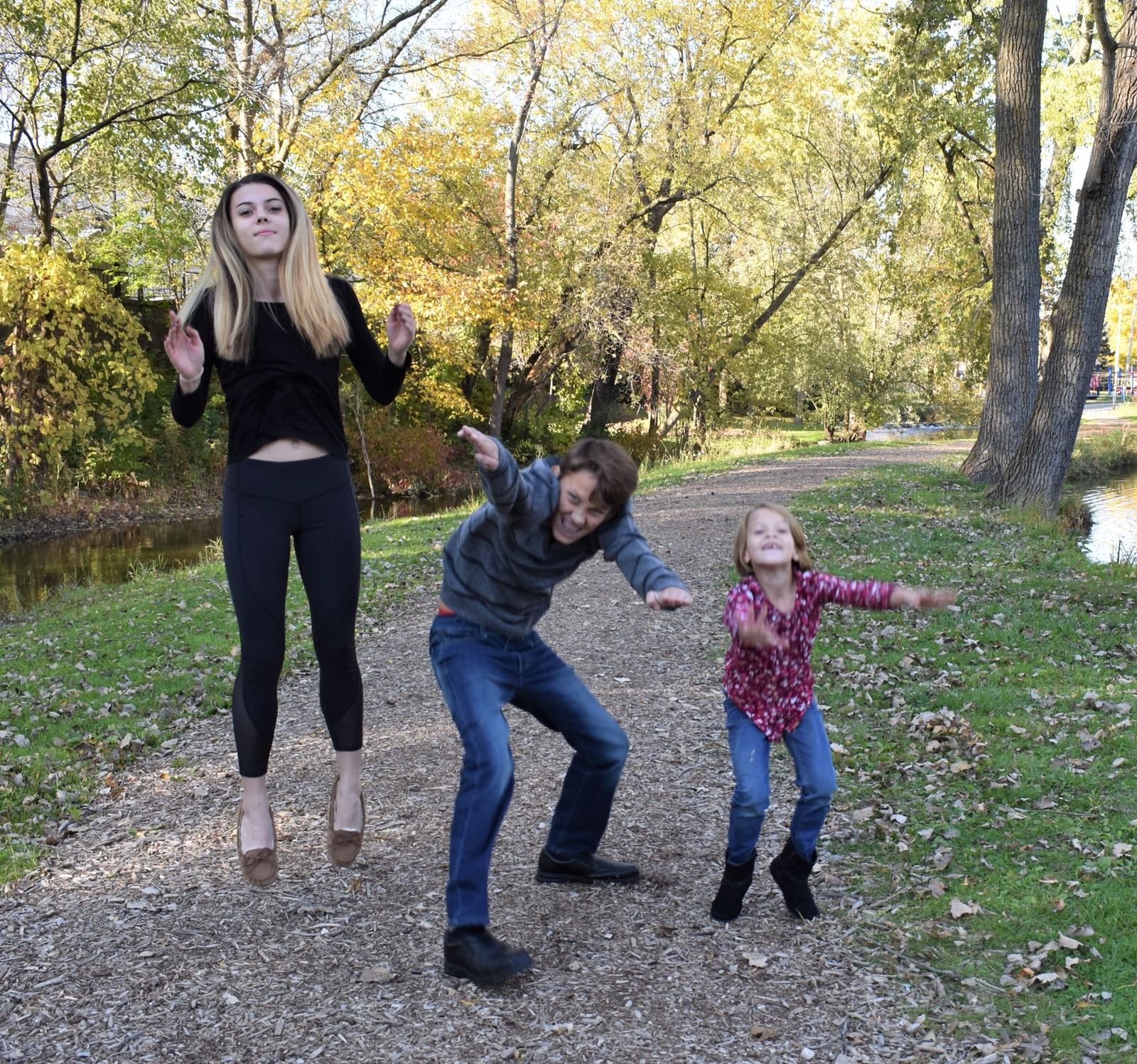
Sydney is 27. We had her when I was 21, while I was still in college, so she has had to grow up about as fast as I did. Kyan is 18 and about six foot five, plays lacrosse on a partial scholarship at Illinois Wesleyan, and he is just an awesome kid. His name is Khary and Ryan put together. Ryan was my first friend in college and my roommate, and he is one of my best men. Josie is 13 and a complete spitfire, funny and creative, and she loves to dance. Amanda and I got married in 2005 and divorced in 2020. We are on great terms. We are good friends, and we co-parent well.
I love being Sydney's dad and seeing the person she is becoming. I love watching Kyan play. He is such a big kid, and when he really grows into himself I think he will be a force to reckon with. And Josie is going to be something.
Then there is Anne. I met her on Hinge on April 13, 2023, at 8:35 in the evening, wearing a black hoodie that said "Say less," because I was trying to be funny. I basically had to beg her to meet me. I was hooked. About six weeks in I told her I loved her, and she said, "Well, I like you a lot." That stung. But I knew she was my person.
On November 20, 2024, we closed on our house in Pewaukee, and I made our first memory the engagement: a piggyback ride through the front door, a ring box too big for my pocket, and a yes. We are getting married on November 21, 2026. Thank God she said yes.
What I believe
No single label fits me, and that is the whole point.
I am a businessman who built companies from a garage, lost one, and built more. I am an advocate who turned the worst thing that ever happened to me into a fight to spare other families from it. I ran for Congress and served my party. I am a father of three, and I am marrying the love of my life. None of those on its own is the whole story, and the scattered pieces of me online never add up to the actual person.
What connects all of it is simple. I lost my mother before I could remember her, in a moment when help was out of reach and a gun was not. I have spent my life making sure the people I am responsible for have the opposite of what she had.
A couple years ago, on my mom's birthday, June 25, I posted that she missed another birthday with me because instead of easy access to mental health care, she had easy access to a gun. A woman who follows me sent me a direct message. I will not say her name. It is her story.
She was struggling, and she had thought about taking her own life. Because she read my story, she chose not to touch a gun. She told me my story saved her life.
You can change the world for one person. This is not the end of the sentence. It's just a bad moment, not a bad life.
Ask for it out loud.
Keep going.
That is who I am. The whole story, in my own words.
© 2026 Khary Penebaker. Based in Wisconsin.